
+971 54 598 5944 info@emirachem.com Sharjah Media City, UAE
Replies within 24 hours LinkedIn Facebook

Knowledge centre

Practical guides on polyurethane chemistry, plastics and the paperwork of international chemical trade.

Polyurethane

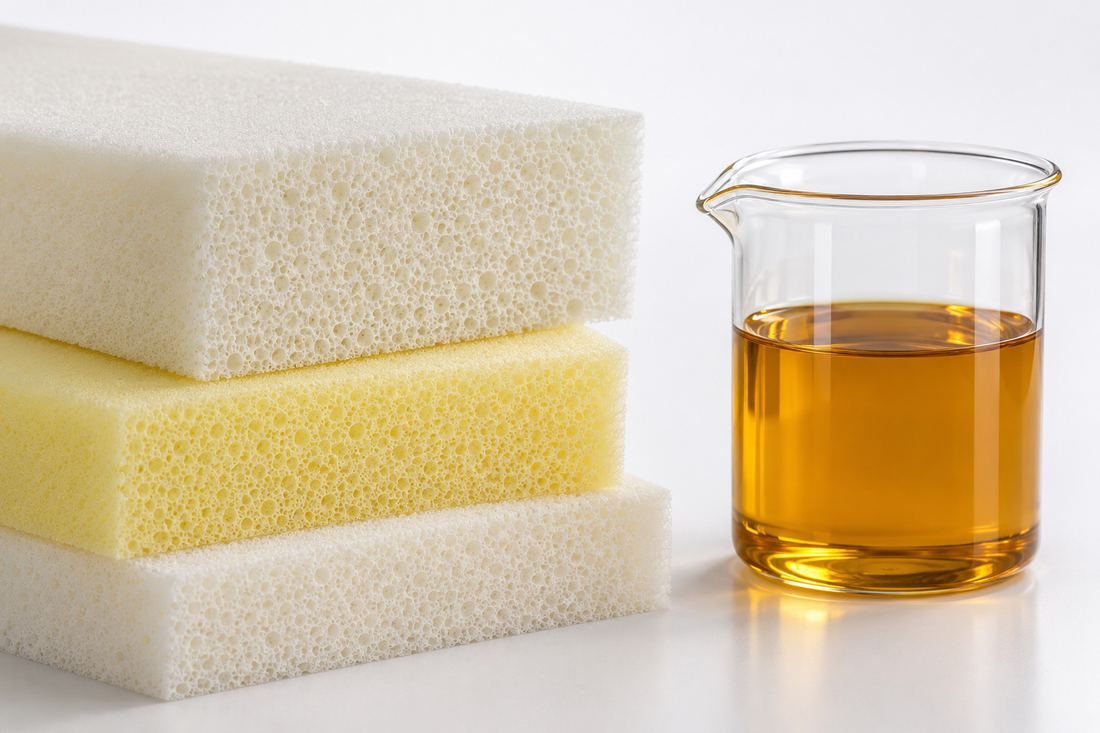
Polyols: polyether vs polyester

A polyol is a molecule with several reactive hydroxyl (–OH) groups. When it reacts with an isocyanate, it forms the urethane links that build polyurethane. The polyol you choose largely decides how soft, tough or heat-resistant the final product will be.

Polyether polyols

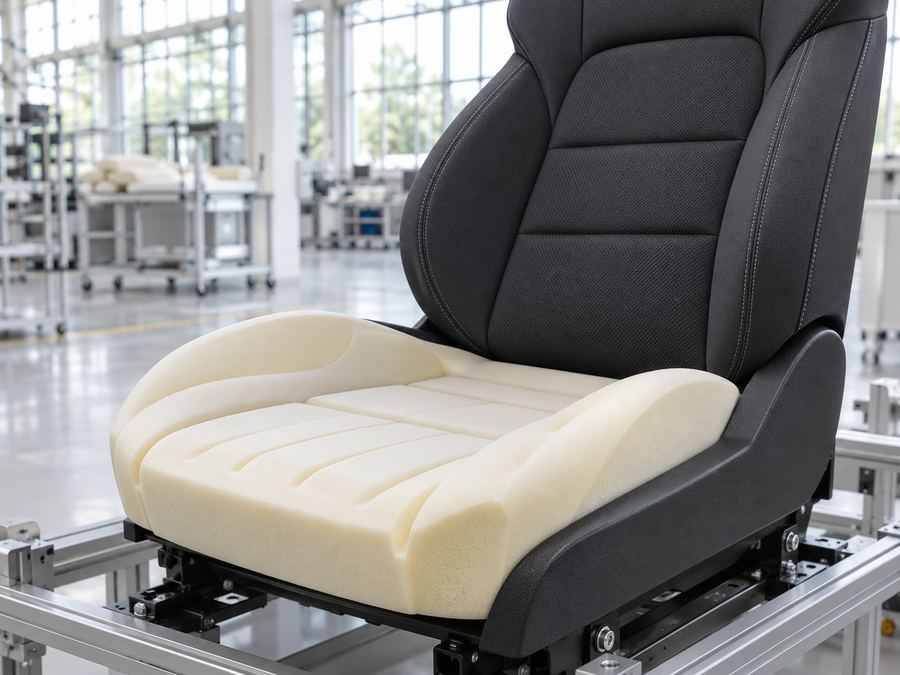
Made by polymerising propylene oxide and ethylene oxide onto a starter. They resist hydrolysis well, have low viscosity and process easily — which is why they dominate flexible foam for mattresses, furniture and car seats.

Polyester polyols

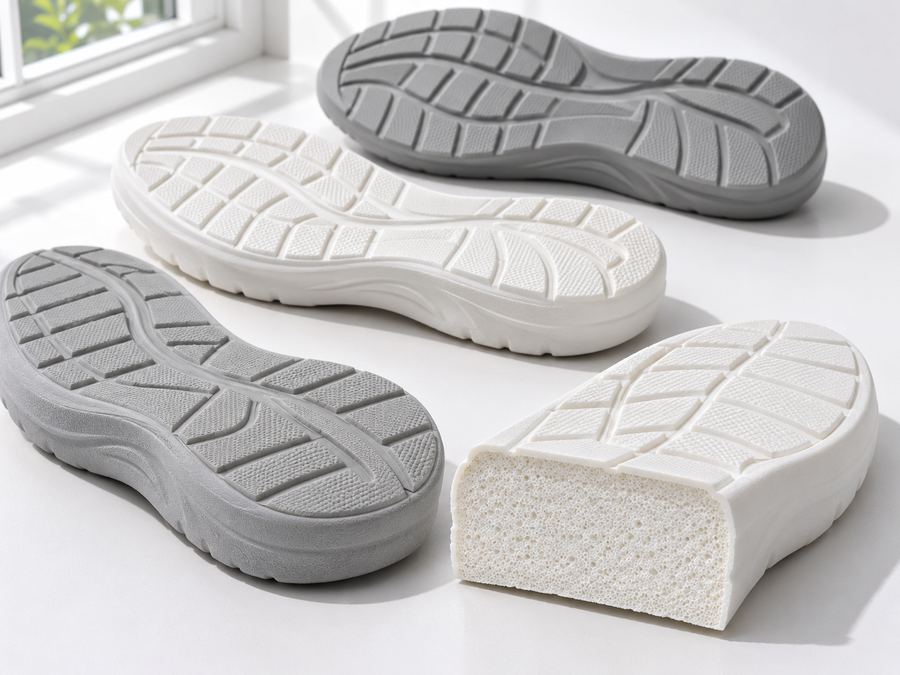
Made from acids such as adipic acid and glycols. They give higher tensile strength, abrasion resistance and solvent resistance, so they are favoured for shoe soles, coatings, adhesives and some rigid foams — but they are more sensitive to moisture.

Rule of thumb

  • Comfort and resilience → polyether
  • Mechanical strength and chemical resistance → polyester
  • Sustainability goals → consider bio-based polyols, for example from castor oil

Polyurethane

TDI vs MDI: choosing an isocyanate

Isocyanates are the second half of every polyurethane reaction. The two workhorses are TDI and MDI.

TDI 80/20

A blend of 80% 2,4-TDI and 20% 2,6-TDI. It reacts readily with polyether polyols and is the standard choice for flexible slabstock and much moulded foam.

MDI

  • Polymeric MDI — the basis of rigid insulation foam in panels, refrigerators and spray foam.
  • Monomeric MDI — used where precise, high-performance bonding or elastomer properties are needed.
  • Prepolymers — modified MDI with longer pot life for adhesives, sealants and elastomers.

Handling

Both are moisture-sensitive and need dry storage, sealed containers and proper PPE. Always follow the supplier’s safety data sheet.

Plastics

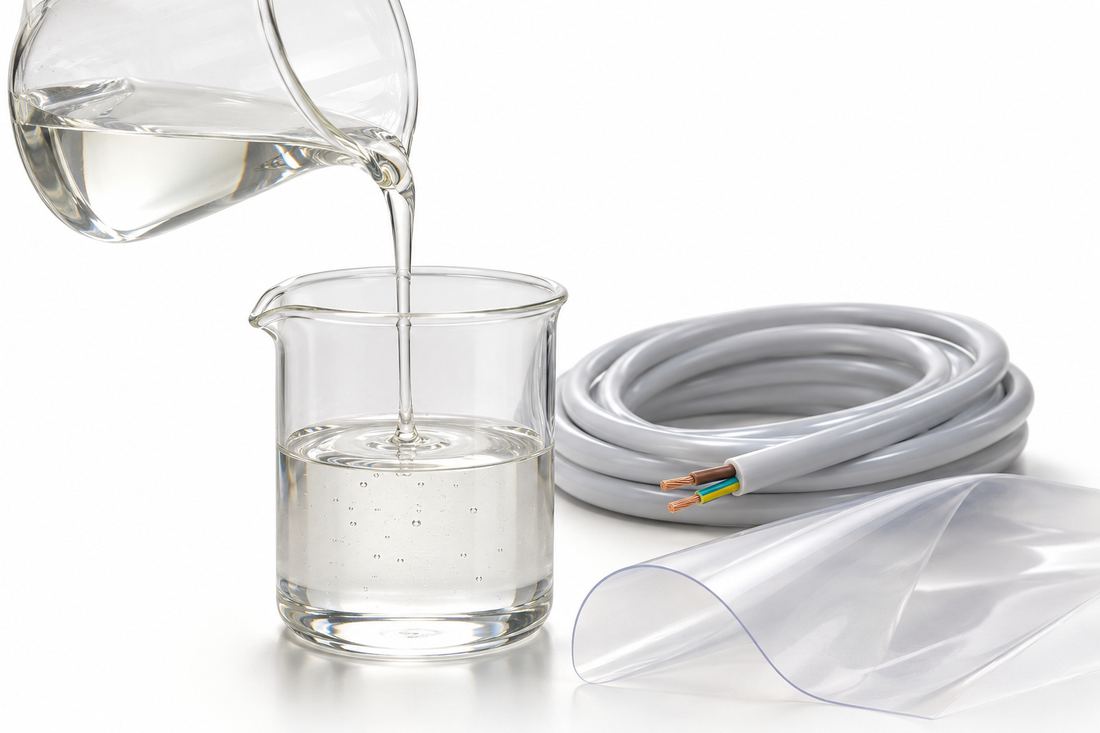
Choosing a plasticizer

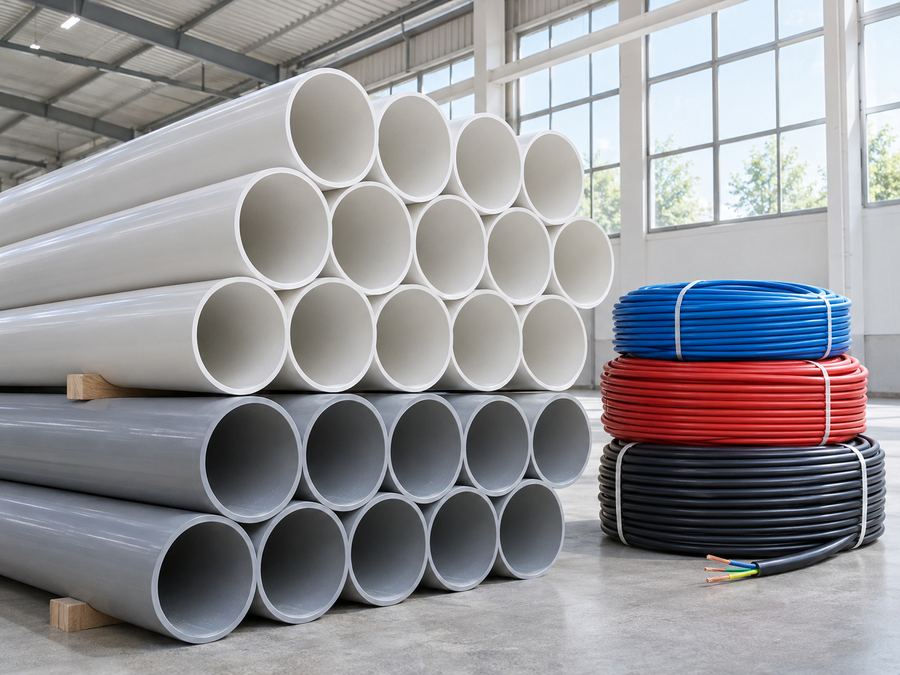
Plasticizers sit between PVC chains and reduce the forces holding them together, turning rigid PVC into flexible cable sheathing, flooring or synthetic leather.

Four common options

  • DOP — the cost-effective general-purpose choice.
  • DINP — higher molecular weight, so lower volatility and better ageing.
  • DOTP — a non-phthalate alternative with low migration, preferred where regulation is strict.
  • DPHP — premium heat resistance and permanence for automotive and roofing.

What to weigh

Consider the regulations in your destination market, the service temperature of the product, how long it must stay flexible, and cost per kilo of finished compound — not just per kilo of plasticizer.

Trade & logistics

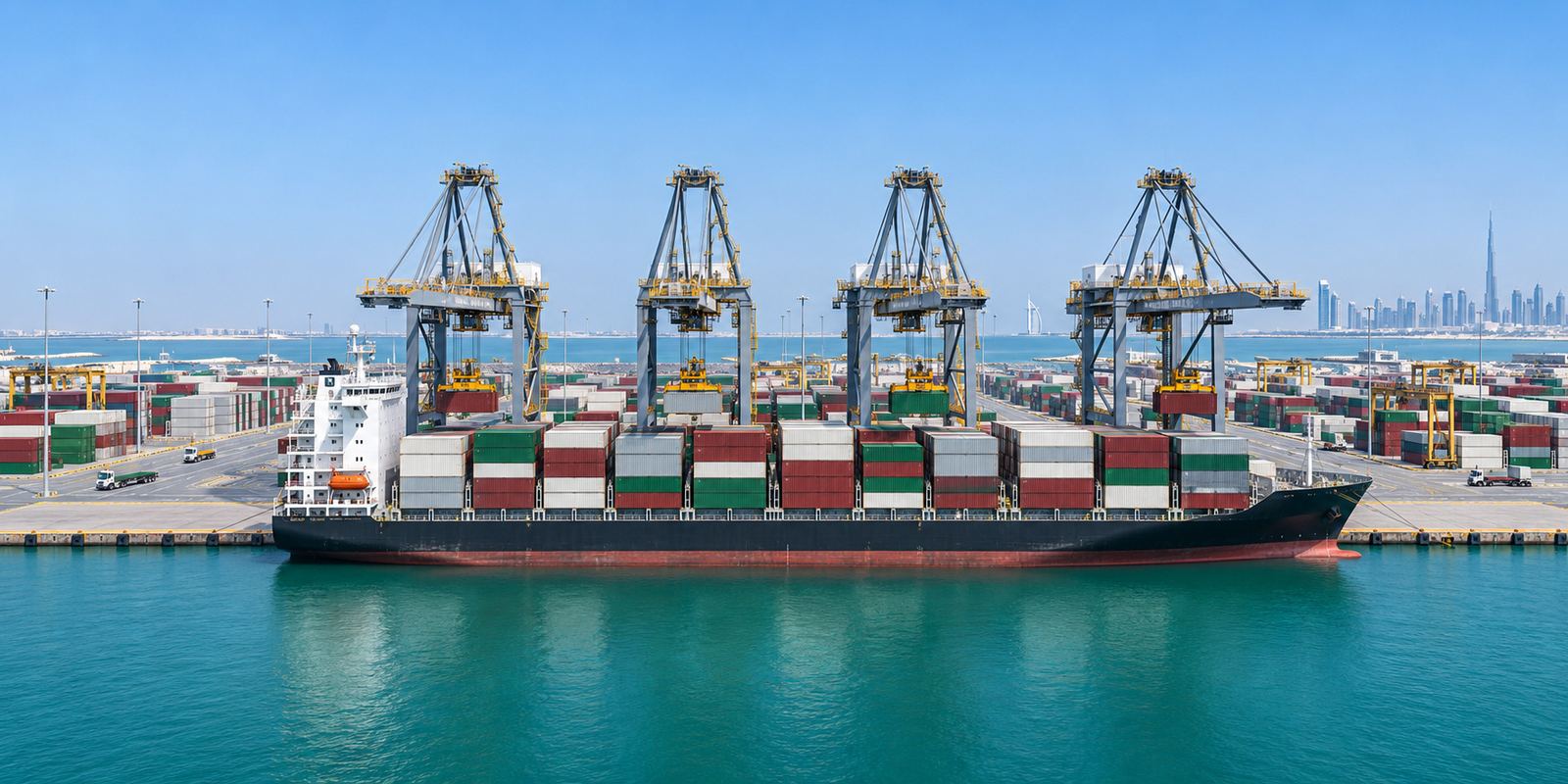
Incoterms: FOB vs CIF

Incoterms are standard trade terms published by the International Chamber of Commerce. They define who arranges and pays for transport, who insures the cargo, and where risk passes from seller to buyer.

FOB — Free On Board

The seller delivers the goods loaded on board the vessel at the named port of shipment. From that point, the buyer pays freight and insurance and carries the risk.

CIF — Cost, Insurance and Freight

The seller pays freight and minimum insurance to the named destination port. Risk still passes to the buyer once the goods are loaded at origin — a detail many buyers miss.

Which to choose?

  • Choose FOB if you have a strong freight forwarder and want control of shipping.
  • Choose CIF or CFR if you prefer one landed price and the seller handles booking.

Note that FOB and CIF are intended for sea and inland waterway freight; for containers, FCA and CIP are often technically more precise.

Trade & logistics

How a letter of credit works

A letter of credit (LC) is a bank’s promise to pay the seller once the seller presents documents that comply exactly with the LC’s terms. It protects both sides: the seller is sure of payment, and the buyer is sure goods were shipped as agreed.

The typical flow

  1. Buyer and seller agree the contract and LC terms.
  2. The buyer’s bank issues the LC.
  3. The seller’s bank advises the LC to the seller.
  4. The seller ships and collects the required documents.
  5. Documents are presented to the bank and checked for compliance.
  6. The bank pays (at sight or on a deferred date) and releases documents to the buyer.
  7. The buyer uses the documents to clear and collect the cargo.

Avoiding discrepancies

Most LC delays come from small mismatches — product names, quantities or dates. Agree the document list carefully before the LC is issued.

Trade & logistics

The bill of lading explained

The bill of lading (B/L) is issued by the carrier when goods are loaded. It does three jobs at once:

  • Receipt — confirms the carrier received the goods in the stated condition.
  • Contract — evidences the terms of carriage.
  • Document of title — whoever holds the original negotiable B/L can claim the cargo.

Common types

  • Original (negotiable) B/L — physical originals that must be surrendered to collect cargo.
  • Telex release / seaway bill — no originals; faster when payment is already settled.
  • House vs master B/L — issued by the forwarder vs the shipping line.

Check consignee, notify party, port names and cargo description carefully — errors here are a common cause of port delays.

Trade & logistics

Documents that come with every order

Every Emirachem shipment is supported by a standard document set. Here is what each one is for.

  • COA (certificate of analysis) — test results for the specific batch shipped.
  • TDS (technical data sheet) — typical properties and processing guidance for the grade.
  • SDS (safety data sheet) — hazards, safe handling, storage and emergency measures.
  • Commercial invoice — the sale value used for customs duty.
  • Packing list — packages, weights and marks.
  • Certificate of origin — country of manufacture, often needed for duty preferences.
  • Bill of lading — proof of shipment and title to the goods.

Some destinations need extra documents, such as cargo tracking notes or pre-shipment inspection. Tell us your destination and we’ll confirm what’s required.

Send us your spec. Get a quote within 24 hours.

Product, grade, volume and destination port are all we need to start.